Kamalashile Temple
Sri Brahmi Durgaparameshwari, the river, the cave and the miracle of the monsoon.
Set on the banks of the sacred Kubja river amid the forested hills of the Western Ghats, the Sri Brahmi Durgaparameshwari Temple at Kamalashile is one of the most revered Shakti shrines of the Kundapura region. What sets it apart from every other temple of the coast is its living bond with nature: the Kubja river, the ancient Suparshwa Cave a kilometre away, and a yearly monsoon phenomenon in which the river is believed to rise of its own accord to touch the feet of the Goddess.
According to temple tradition, the rising of the Kubja into the sanctum is not flooding but a sacred act, the river itself coming to worship the Goddess, a reaffirmation of the eternal bond between the deity and the waters that bear her name's blessing.
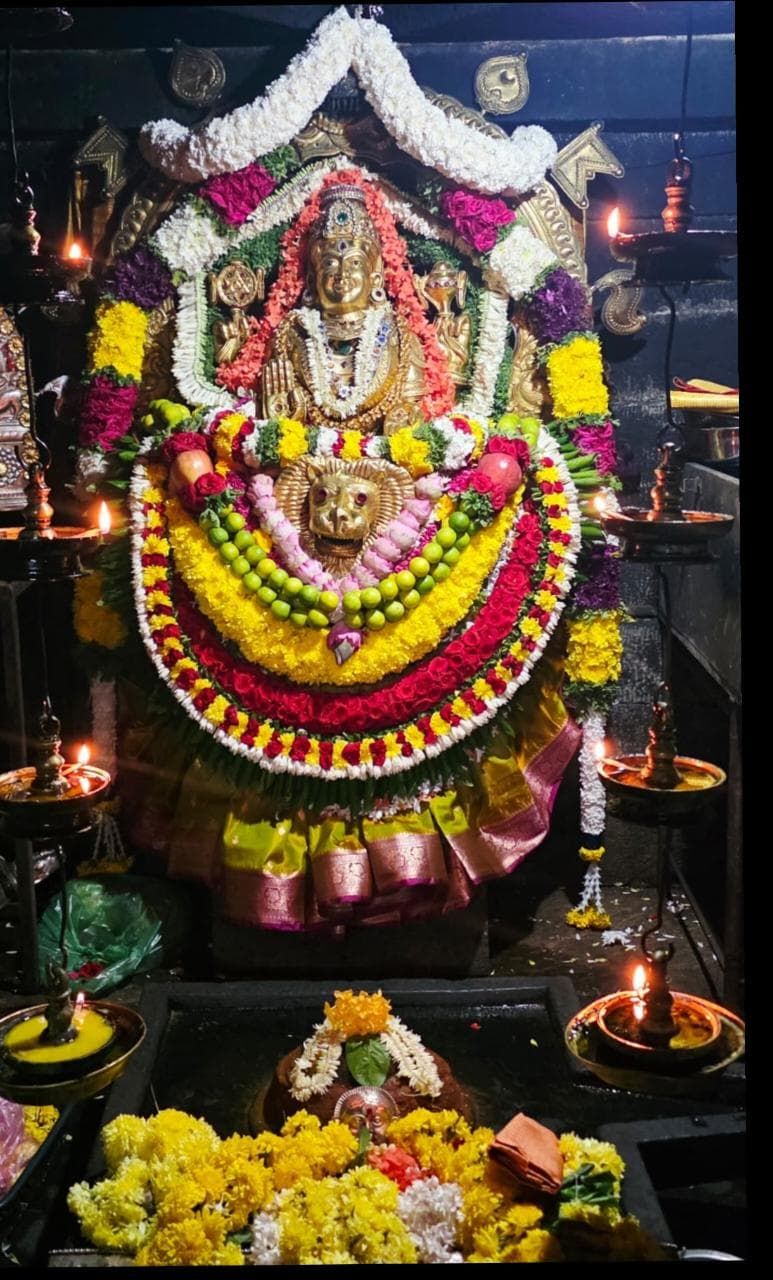 Brahmi Durgaparameshwari
The Goddess: Brahmi Durgaparameshwari
The presiding deity of Kamalashile is worshipped as Brahmi Durgaparameshwari, a fierce yet benevolent form of Shakti, the divine feminine. Seated in her sanctum, garlanded and crowned, she carries the emblem of the lion, the mount of Durga and the sign of her sovereign power. For the devotees of the Kundapura coast she is an ancient and powerful Mother, sought for protection, for the removal of afflictions, and above all for the resolution of Naga Dosha, the ancestral fault associated with the serpent deities.
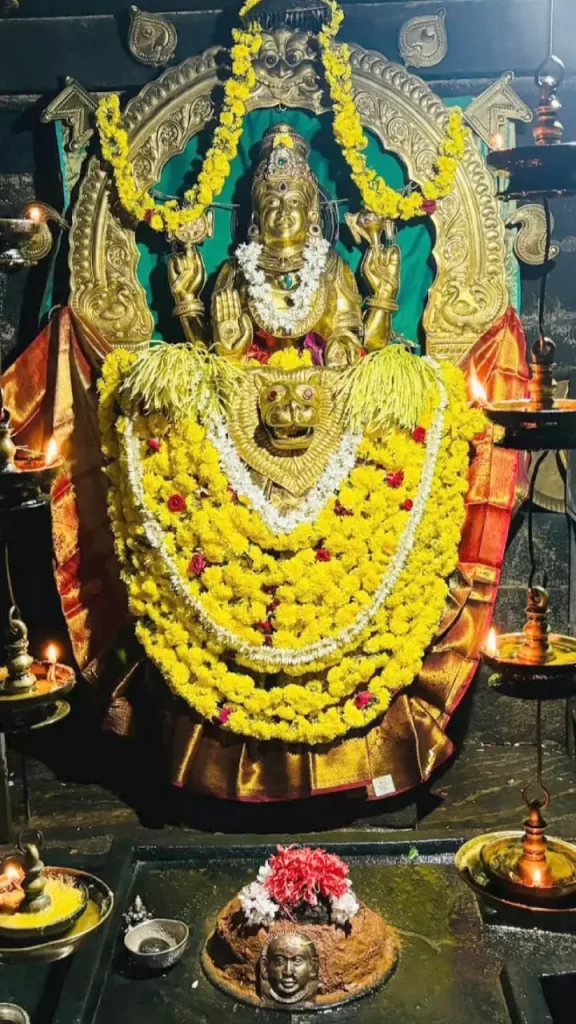
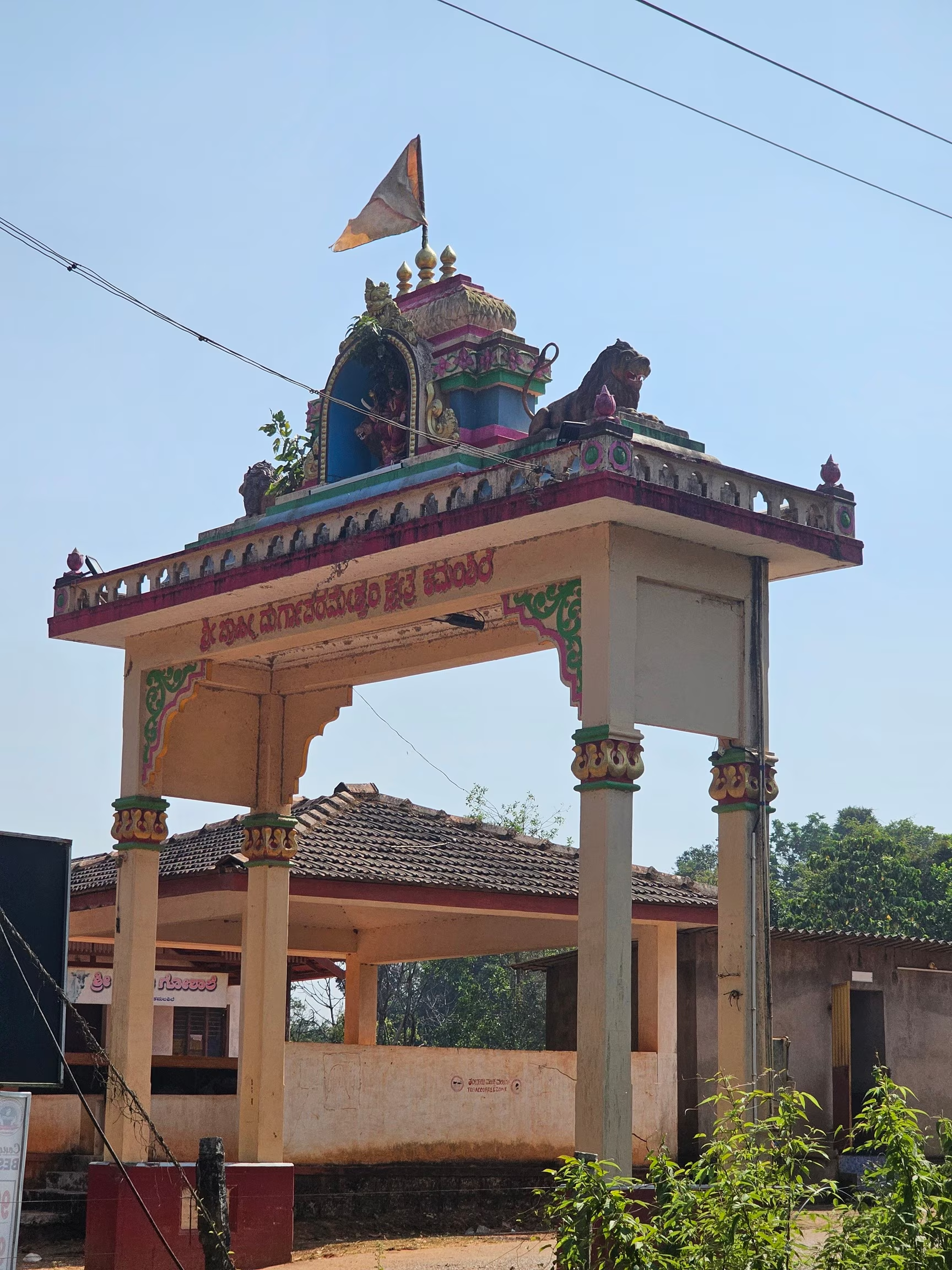
The sacred Kubja river
The temple stands on the banks of the Kubja river, which winds through the lush forests and hills of the Western Ghats. According to local legend, the river takes its name from Kubja (also called Pingala), who was once cursed by Goddess Parvati and later attained liberation through divine grace. Having been blessed by the Goddess herself, the river is held to be sacred along its whole course and remains an inseparable part of the temple's spiritual identity, the waters are revered as an extension of the Devi's presence.
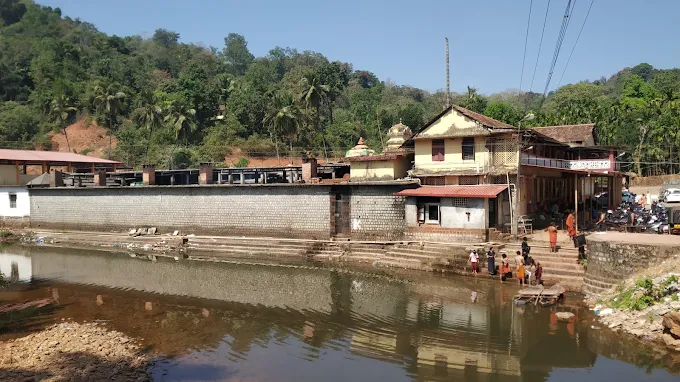 Kubja river
The monsoon miracle, when the river comes to worship
What makes Kamalashile unique among all the temples of Karnataka is a remarkable phenomenon witnessed at the height of the monsoon. Every year, during the heaviest rains, the waters of the Kubja rise and enter the temple precincts, flowing in until they reach and touch the very feet of Goddess Brahmi Durgaparameshwari in the sanctum.
To the devout this is no ordinary inundation. Temple tradition holds it to be a sacred act of devotion by the river itself: the Kubja, blessed by the Goddess in ages past, returns each year to make its own offering at her feet. The sight of the swollen river quietly entering the silver-framed sanctum and lapping at the base of the idol is considered among the most powerful blessings a pilgrim can witness, a living reaffirmation of the bond between nature and divinity.
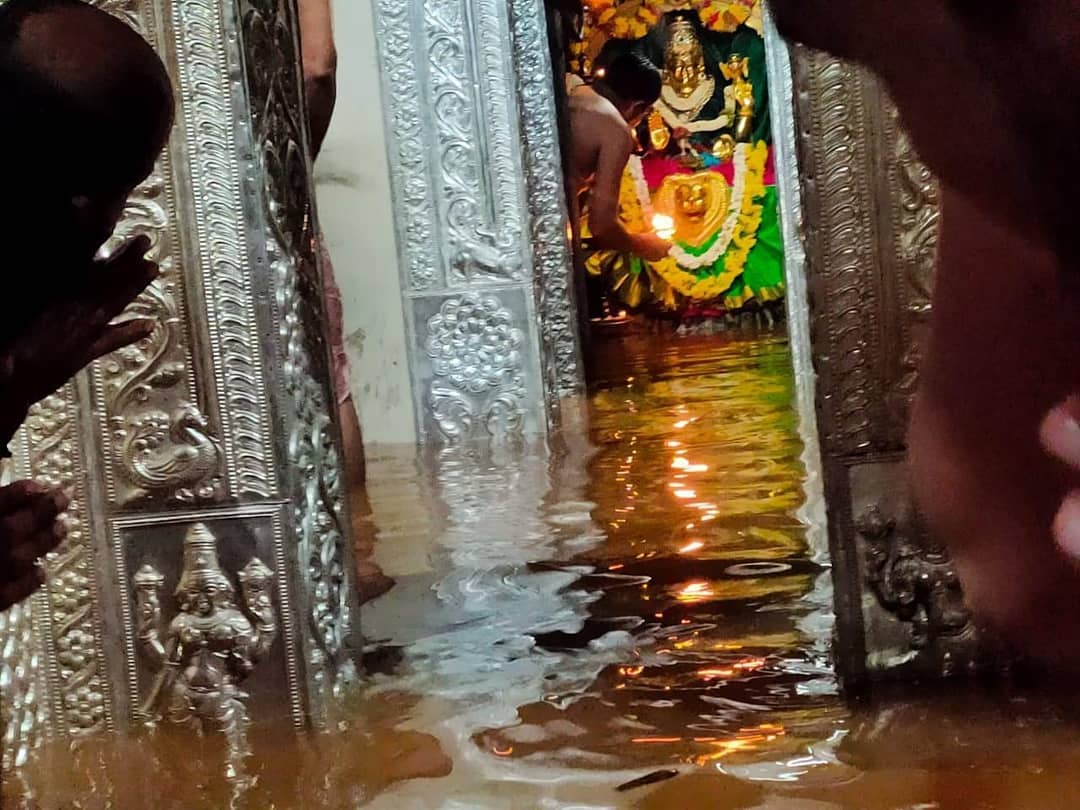 The river at the Goddess's feet
The river does not flood the temple. It comes to bow at the Mother's feet.
For the devotees of Kamalashile, the annual sight of the Kubja rising to touch the feet of the Goddess symbolises the eternal bond between nature and divinity, making this one of the truly extraordinary spiritual centres of coastal Karnataka.
The Suparshwa Cave (Guppipari Guhe)
About a kilometre from the temple lies the mysterious Suparshwa Cave, known locally as Guppipari Guhe, one of the most important spiritual sites bound up with Kamalashile. According to legend, King Suparshwa performed intense penance within this cave and at last attained moksha (liberation); the cave has borne his name ever since and has been regarded for centuries as a place of meditation and spiritual practice.
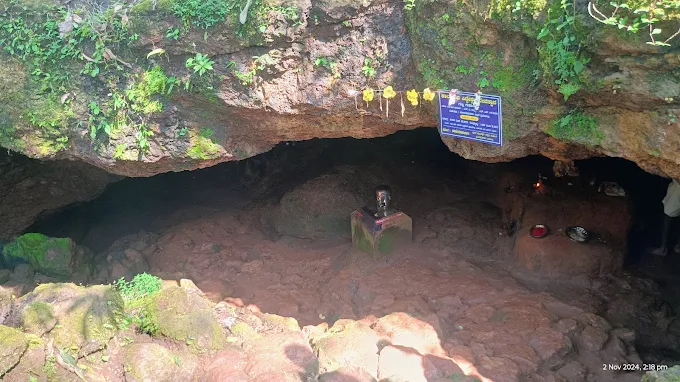
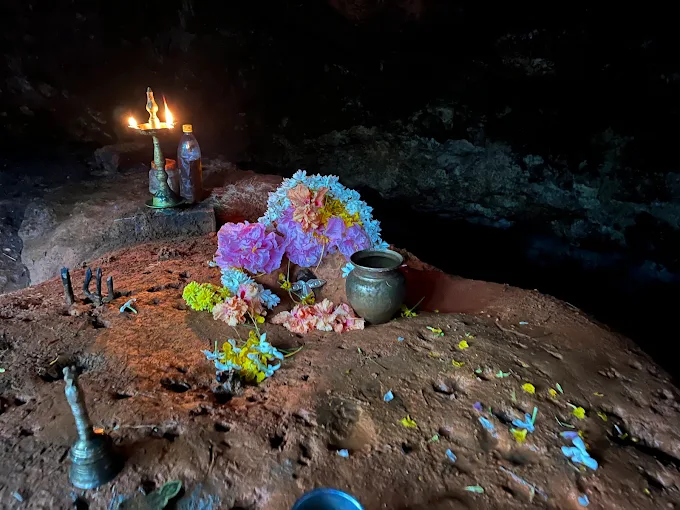
Inside the cave are naturally formed sacred Lingas known as the Trishakti Lingas, representing Mahakali, Mahalakshmi and Mahasaraswati, the three great aspects of the divine feminine. Worshipped as powerful manifestations of Shakti, they make the cave a shrine in its own right, an unbroken thread of Devi worship reaching back into prehistory. The cave is home, too, to great colonies of bats that hang from its ceilings, adding to the sense of an ancient, untouched and living place.
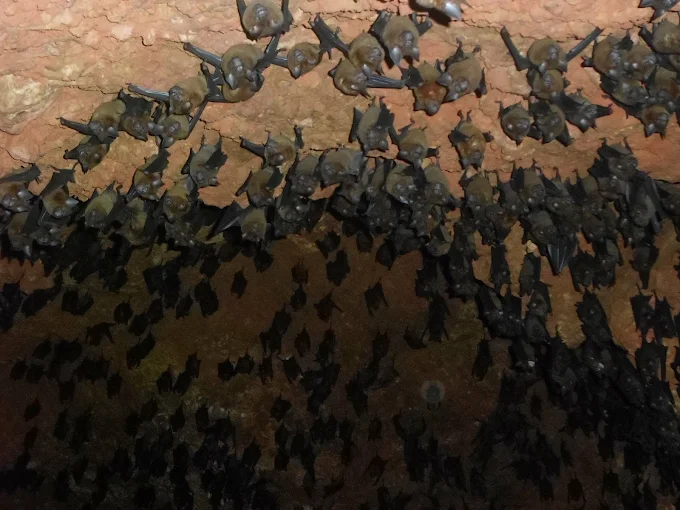 Bats of the Suparshwa Cave
Naga traditions and the Naga Theertha
The Suparshwa Cave is also deeply associated with Naga worship, the serpent cult that runs through the spiritual life of the entire coast. By local belief, a sacred spring called the Naga Theertha rises within the cave and eventually joins the Kubja river, so that the cave, the serpents and the river are bound into a single sacred system.
Legend relates that Adishesha, the cosmic serpent, once sought refuge in this very cave from Garuda, the eagle-mount of Vishnu and eternal foe of the snakes, and there received the protection and blessings of Goddess Brahmi Durgaparameshwari. The story ties Kamalashile firmly to the coast's wider Naga Mandala and serpent-worship traditions.
Ashlesha Bali, the serpent ritual
It is this serpent heritage that makes Kamalashile one of the most sought-after centres for the Ashlesha Bali, the serpent-propitiation ritual performed to remove Naga Dosha, the ancestral affliction believed to obstruct marriage, progeny and prosperity. Performed on the Ashlesha Nakshatra day, the ritual draws devotees from across Karnataka and beyond, who come to seek the grace of the Goddess and the serpent deities together. The rite places Kamalashile alongside the great Naga shrines of the Tulu–Kannada coast in the devotional map of the region.
The temple and its setting
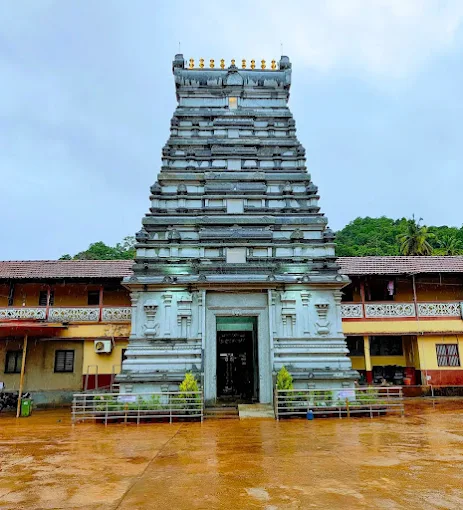
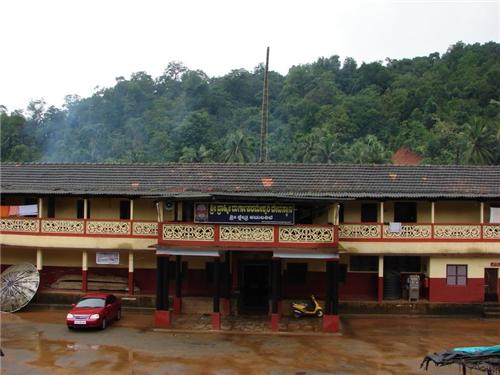
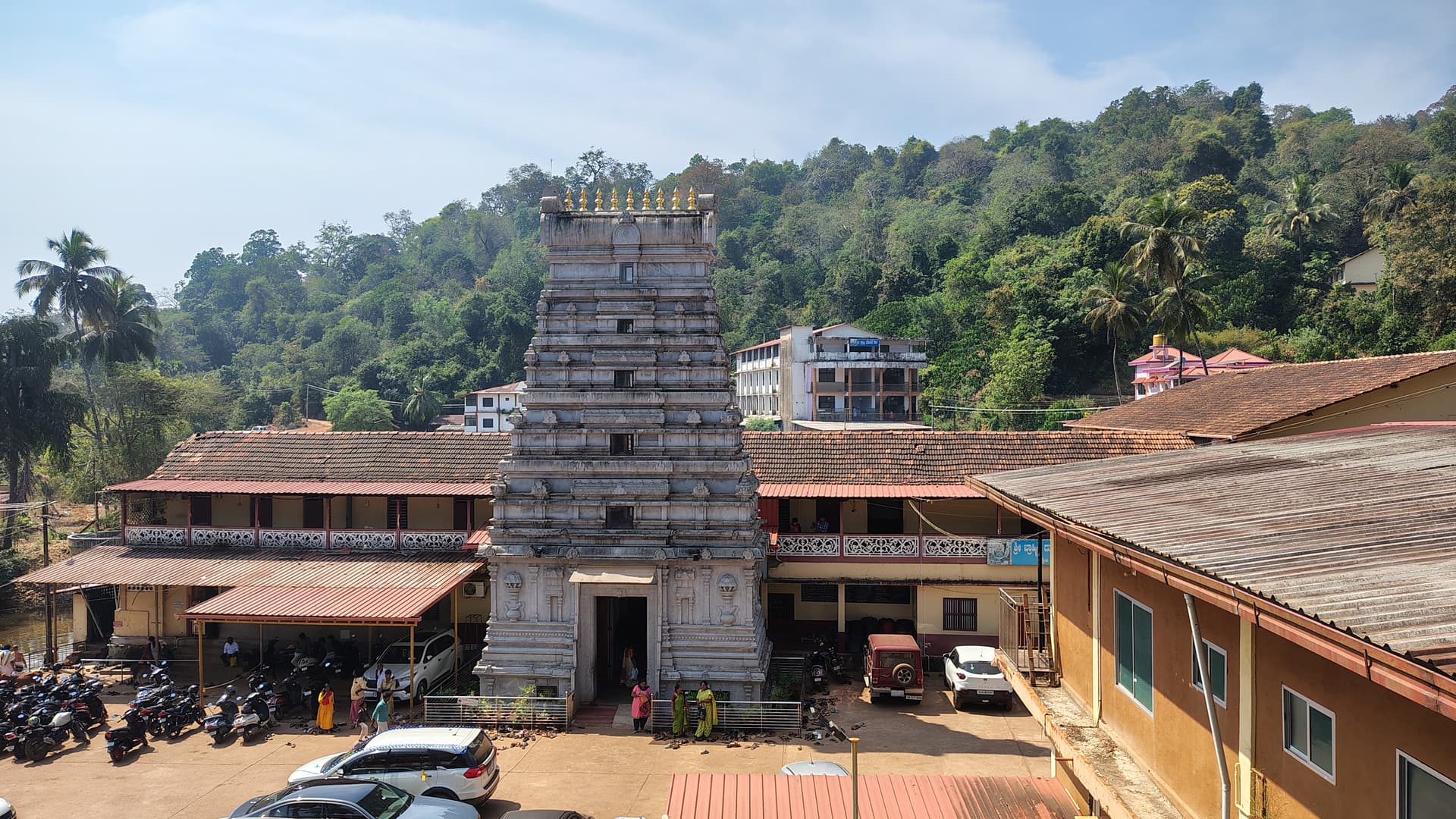
Cradled by the Ghats and reached by road inland from Kundapura, Kamalashile has the serene, green seclusion of a forest shrine. Over the years the temple has grown (the older tile-roofed buildings along the river now stand beside a tall, newly built stone gopura) yet its riverside character endures. In the monsoon the courtyard runs with rain and the surrounding hills turn an electric green; in the dry months the stone tower glows pale against the forest.
Visiting Kamalashile
| Practical information | Details |
|---|---|
| Deity | Sri Brahmi Durgaparameshwari (Shakti / Devi) |
| Location | Kamalashile, Kundapura Taluk, Udupi district, on the banks of the Kubja river |
| By road | Reached inland from Kundapura through the Ghats; often combined with a visit to Kollur and the other shrines of the taluk. |
| Sacred sites | The main temple; the Suparshwa Cave (Guppipari Guhe) ~1 km away with the Trishakti Lingas and Naga Theertha. |
| Famous for | The monsoon rising of the Kubja into the sanctum; the Ashlesha Bali serpent ritual for Naga Dosha. |
| Best time | The monsoon for the river phenomenon and the greenest landscape; the cooler, drier months for easy travel and the cave visit. |
Ritual dates such as the Ashlesha Bali are fixed by the temple calendar and the Ashlesha Nakshatra; pilgrims should confirm timings and any booking with the temple administration before travelling.
See also
References & notes
- "Kamalashile Temple: The Sacred Cave and the Miracle of the Kubja River", contributed article on the Sri Brahmi Durgaparameshwari temple, the Kubja river and the Suparshwa Cave.
- Temple administration, Kamalashile; local oral tradition of the Kubja river and the Suparshwa (Guppipari) Cave.
- Studies of Naga worship and the Ashlesha Bali ritual in Tulu Nadu and coastal Karnataka.
Photographs on this page were contributed by devotees and visitors to document the temple, the cave and the monsoon phenomenon; they are used here for cultural and educational reference.